More Than a Moment
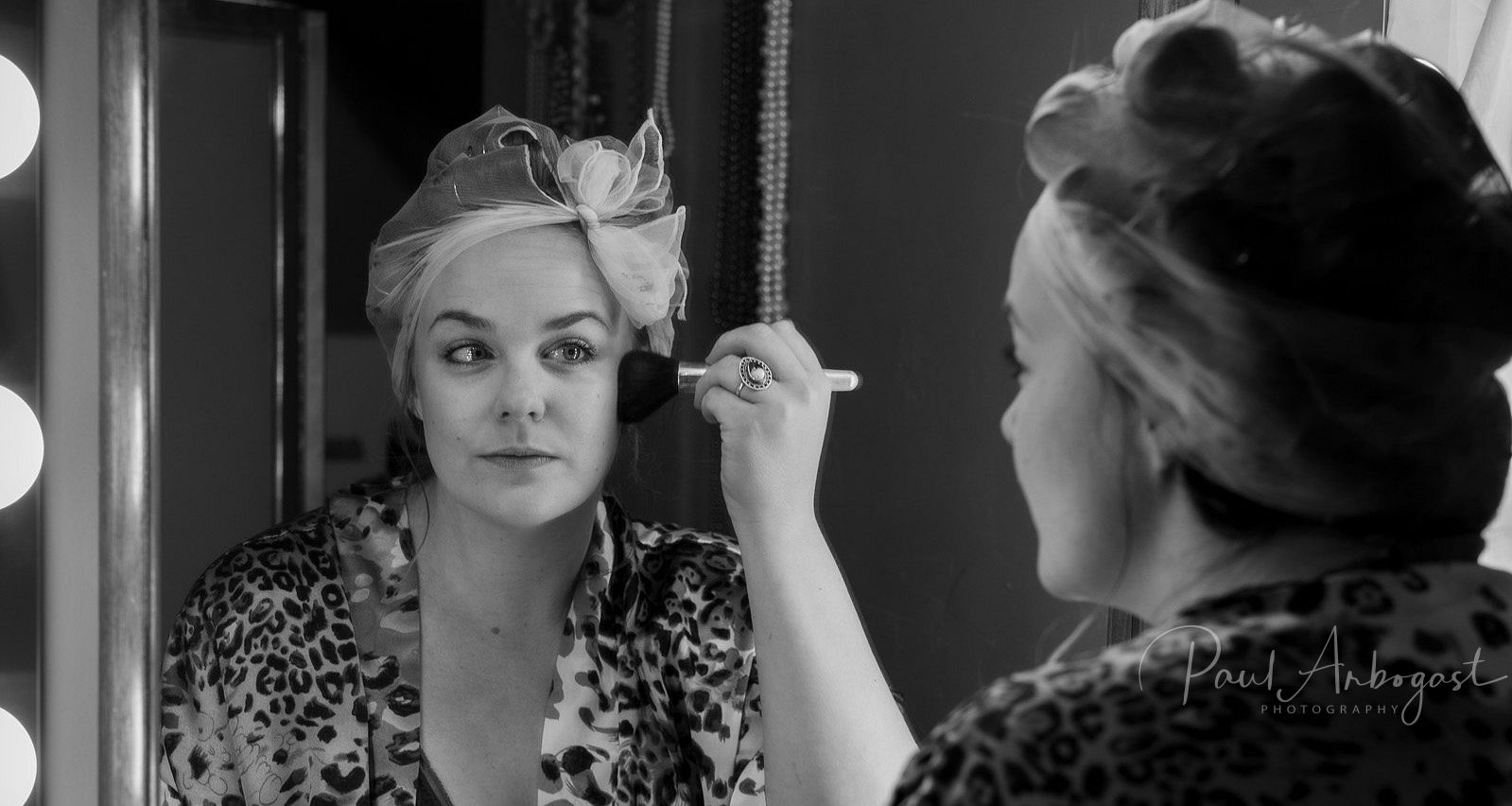
Photography, at its surface, is about freezing time.
Press a button. Capture a second. Move on.
But that was never enough for me.
When I first started taking photography seriously, it was in live music venues — dark rooms, constantly changing light, moments that lasted half a breath and never came back the same way twice. There was no control. No do-overs. No asking someone to hold still.
What drew me in wasn’t the spectacle. It was the feeling.
A glance between musicians mid-song. The way someone leans into a note with their eyes closed. The connection that exists for a split second and then disappears.
Those moments taught me something early on: the most important part of a photograph often isn’t what’s happening — it’s what someone is experiencing.
Learning to see past the obvious
Live music forces you to pay attention differently. You stop chasing perfection and start watching people. Their posture. Their tension. The quiet moments between the loud ones.
Over time, that way of seeing followed me everywhere else.
In portraits, I became less interested in poses and more interested in comfort.
In family sessions, I paid attention to how people relate to each other when they forget the camera is there.
In confidence-focused work, I learned that the most meaningful images often happen after someone stops trying to look a certain way.
I don’t rush sessions. I don’t work against nerves or self-consciousness. Sometimes the first real photographs don’t happen for a while — and that’s fine. The goal isn’t to capture a version of someone they think they’re supposed to be. It’s to capture who they already are.
The thread that ties it all together
No matter the genre, the goal has stayed the same: to capture more than a moment.
I want the image to feel familiar to the person in it. I want them to recognize themselves — not just how they looked, but how they felt.
Photography has changed the way I see people. It’s made me slower, more observant, and more aware of the quiet signals we all give off when we’re being ourselves. That perspective is something I carry into every session, whether it’s loud and chaotic or calm and intimate.
The camera is just the tool. The connection is the work.