The First 30 Minutes: Why I Don’t Rush a Session
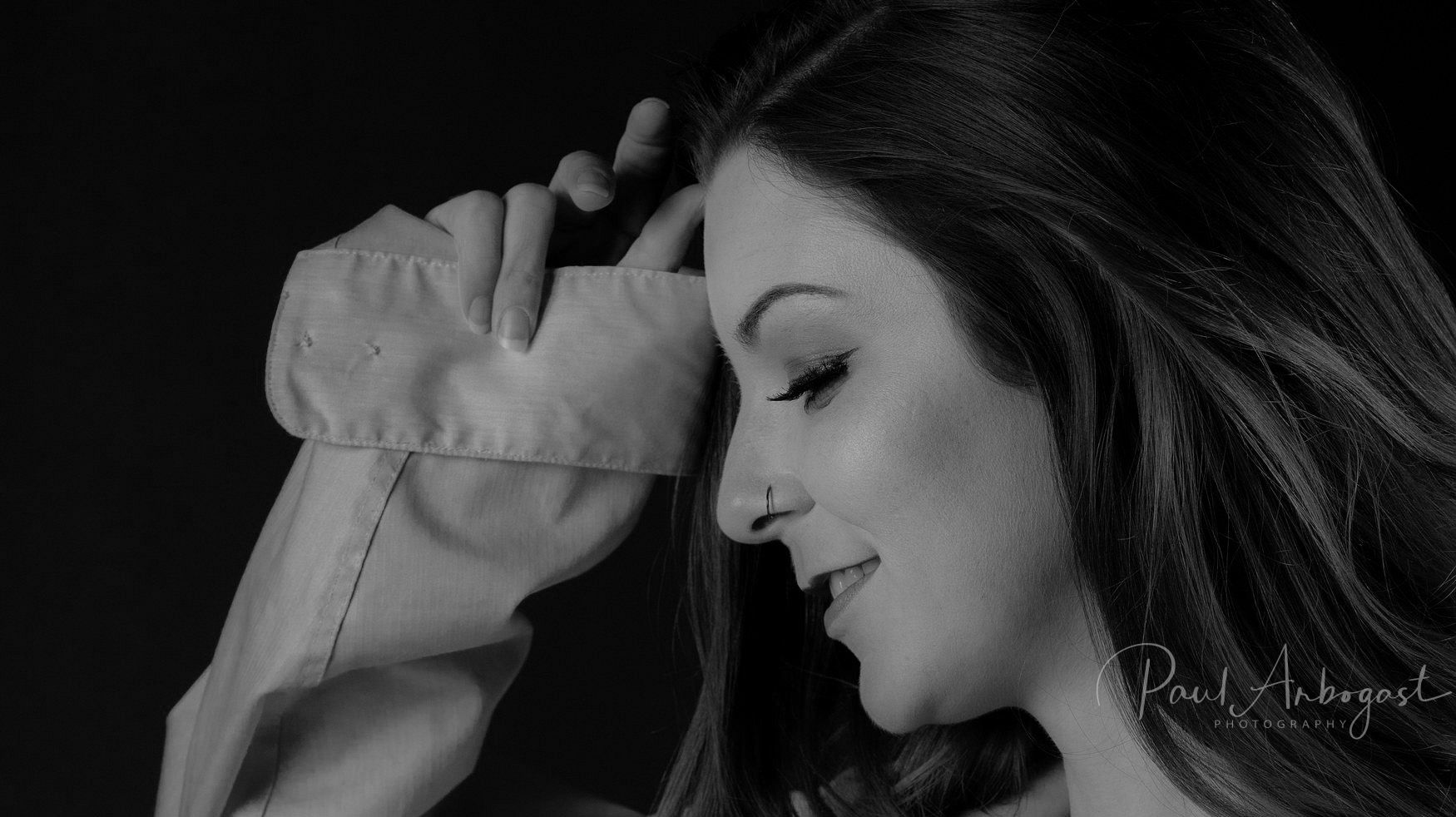
There’s a quiet stretch at the beginning of almost every session that doesn’t look like photography at all. It looks like conversation.
We talk about how their week has been. About music, about work, about kids. Sometimes about why they almost canceled because they were nervous. Sometimes about nothing important at all. The camera might still be in my bag. And that’s intentional.
Photography doesn’t start with a shutter. It starts with trust.
Most people don’t walk into a session feeling completely confident — even the ones who look like they do. There’s almost always a small layer of hesitation underneath the surface. A question of whether they’ll feel awkward. Whether they’ll recognize themselves in the images later. Whether they’ll like what they see.
Rushing past that doesn’t make it disappear. It just buries it under movement and direction.
I’d rather let it breathe for a few minutes. Let the room settle. Let the energy level out. Let someone realize this isn’t going to be stiff or forced, and that there’s no performance required.
There’s nothing wrong with efficiency. I respect people’s time. But there’s a difference between being efficient and being rushed, and your body knows the difference.
When someone feels rushed, their shoulders tighten. Movements become mechanical. Smiles start to look practiced instead of natural. You can see the effort in it.
When someone feels unhurried, something shifts. Their breathing changes. Their posture softens. They stop monitoring themselves quite so much. That’s usually the moment when real expressions start to show up — not the big posed smiles, but the smaller, honest ones that feel like them.
And that’s what I’m there for.
Often the best frames don’t happen in the first few minutes. They happen after the initial awkwardness fades. After the laughter settles into something more relaxed. After someone forgets where to put their hands because they’re no longer thinking about their hands at all. After they stop trying to “get it right.”
That’s why I don’t begin by firing off dozens of frames. I’m not looking for perfection in the first five minutes. I’m watching. I’m listening. I’m paying attention to when someone starts to feel like themselves again.
It’s not that every session needs to be long. It’s that every session needs space.
Space to relax. Space to adjust. Space to feel human instead of evaluated.
Because once someone feels at ease, the camera becomes secondary. And when the camera becomes secondary, the photograph stops being about performance and starts being about presence.
That’s where the honest images live.